


Supporting Museum Ethics Across 91桃色 Collections and Beyond

Participants in the Nazi Provenance Art Certificate Program.
For many years, museums around the world engaged in less than scrupulous collection acquisition and stewardship practices ranging from accepting donated stolen art to displaying objects acquired under questionable circumstances.
鈥淚t was pretty common up until the 1990s, and unfortunately even more recently, for museums not to research the ownership history, or provenance, on works acquired through purchases or donations,鈥� said听, director of the 91桃色听听(ACE). 鈥淢any institutions are just doing this work now.鈥�
Today鈥檚 museums are combing through their collections to identify such items and return them to rightful owners while establishing new procedures for acquiring art and accepting donations.
Throughout the听听(CAHSS), 91桃色 professionals are working to ensure the university鈥檚 art and anthropological collections adhere to the highest standards. They also are taking a leadership role in educating future professionals in the specialized field of provenance research and restitution and the broader responsibility for adhering to ethical museum acquisition and stewardship practices.
Promoting Provenance Research and Restitution

While conducting research for her PhD on how the French tried to protect their museum art collections from the Germans in World War II, Professor of History Elizabeth Campbell studied the French response to Nazi looting and subsequently penned two books on the subject.听
鈥淚鈥檇 always heard that French museum officials really defended Jewish collectors and did a good job protecting French museums,鈥� she said.
But the truth proved more complicated. When it came to protecting art owned by Jewish collectors, Campbell found that French museum curators were also trying to acquire some works to put in the Louvre and other state-run museums.
While the objects held by the French government were returned to the rightful owners after the war, the government kept more than 2,000 other items found in the former Third Reich that had not been claimed by the early 1950s. Research and restitution efforts on those works of art continue to this day.
Launched in 2018, ACE strives to address the global problem of art acquired by museums through dubious means and the ethical and legal responsibilities for research and restitution, and shares related information through blog posts, social media, panel discussions and extensive trainings.
Finding Nazi-stolen art begins with tracing the background of objects that changed hands in Europe between 1933-45. The time-consuming, labor-intensive work involves investigating ownership history and how and when an object changed hands, while searching for gaps that could indicate looting or sales under duress.
Provenance research can help uncover plundered art still hiding in storage within museum collections, enabling the return to rightful owners. 鈥淚f it鈥檚 a painting, for example, you can often find customs or dealers鈥� stamps on the back of the frame,鈥� Campbell said.
Searching a museum鈥檚 own records can unearth letters or donation documents that reveal ownership changes and government archives, and online databases also contain relevant records, as does the听.
鈥淢y vision has always been to provide opportunities for graduate students and emerging professionals to learn how to conduct provenance research because it鈥檚 just not something that is commonly taught in higher education programs,鈥� Campbell said.
To that end, ACE offered its first fully virtual training session in 2021 in collaboration with experts who carry out provenance research on Nazi-era art at the听听and the听in Kansas City, Missouri. It included expert speakers from around the world as well as Christoph Heinrich, the Frederick and Jan Mayer director of the Denver Art Museum.
Most recently, ACE听听on 鈥淣azi-Era Art Provenance Research,鈥� from June 18-23. Twenty certificate students were selected through a rigorous application process and attended on campus. Dozens of non-certificate students attended selected sessions online.
Both training programs were offered in collaboration with 91桃色鈥檚听听and made possible through generous support from the听.
Geared toward graduate students in any field and emerging museum professionals, the June training included lectures and discussions with top historians, provenance researchers and museum staff members. It also featured sessions on legal and ethical stewardship and trade challenges, presentations on archival resources and databases and workshops on writing provenance narratives.
鈥淭he in-person program brought people in from all over the country, and three French students as well as a strong cohort of non-certificate students attending from all over the world,鈥� Campbell said. 鈥淲e鈥檙e helping make 91桃色 a place where these discussions about ethical museum stewardship can happen.鈥�
Art collection ethics has many facets beyond Nazi-era art.
In 2019, ACE received a听听grant from 91桃色鈥檚听听to hold a Native American-focused training session in partnership with the听.听
鈥淲e received crucial guidance from Native American faculty members and consulted with Cheyenne and Arapaho tribal members,鈥� Campbell said. 鈥淲orking with exceptional faculty and staff in the 91桃色 Anthropology Department, we developed an innovative curriculum for a week-long summer program, and by early 2020 had a stellar cohort of certificate students accepted from institutions across the country.鈥�
The training was ultimately cancelled in the wake of COVID-19 but plans to host a future such program continue.
In the meantime, ACE works to raise awareness and encourage people who support museums, including 91桃色 donors, to consider specifically supporting听听to make this important, ongoing work possible.
Ethical Procedures for Gifts to the University Art Collections
A collaboration between ACE and the staff that manages 91桃色's University Art Collections offered students an opportunity to participate in provenance research in action.
鈥淎s far as we know, the University has not collected items that would have been exchanged in Europe in the Nazi era,鈥� Campbell explained. 鈥淏ut every institution needs to do this kind of research to understand their collections and responsibilities better.鈥�
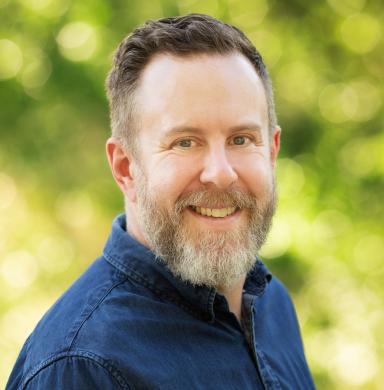
In collaboration with ACE, 91桃色鈥檚 art collections staff and a cohort of museum studies graduate students 鈥渨ent through collected items object by object for red flags for possible Nazi-looted art but found nothing that had been in Europe prior to the Nazi era that had a gap in its chronology in the late 1930s to early 鈥�40s,鈥� said Curator of Collections听.
But ethical issues continue to arise related to museum donations. For example, in 2020, long-time听听补苍诲听听philanthropist and alumna Phyllis Ward reached out to offer her late husband Bob鈥檚 collection that included Mexican pottery shards, pots and statues from the pre-Aztec city of Teotihuacan.
鈥�We believe that the objects entered the United States legally prior to 1972, but we've been more interested in the ethical considerations involved,鈥� Shamos said.
鈥淭hese were objects sold by locals to tourists as souvenirs, so it's not exactly an issue of black-market trading. Nonetheless, standards of ownership have shifted over the decades, and it made sense to us to offer the objects for repatriation. We have offered to return the objects not because they're illegal, per se, but because it's the right thing to do.鈥�
The gallery accepted the gift as a long-term loan while working to figure out longer-term implications and assigned graduate student听听to research and write a report recommending next steps for the 91桃色 Art Collection Committee, tasked with reviewing and approving donations.
Barofsky recommended that the museum consult with the Mexican Consulate in Denver to determine if any of these objects were of interest for repatriation. 鈥淭he Consulate was really appreciative because it鈥檚 very rare that anyone raises their hand and says we have some things you might want back,鈥� Shamos said.听
The Consulate sent a list of the items to archeological authorities in Mexico for review and they ultimately opted to reclaim the entire collection.
鈥淚t took us a little time to check with Phyllis and make sure she was comfortable with the arrangement,鈥� Shamos said. 鈥淪he made the gift official, which enabled 91桃色 to act as the entity returning it to Mexico, and we鈥檙e now in the process of collaborating to make arrangements to get it there.鈥�
Ward was delighted with the agreement.
鈥淚 was proud to know 91桃色 worked so thoroughly to understand the history of these pieces and ensure that they will make their way back to their country of origin where they will continue to be studied and displayed.鈥� she said.
鈥淭his experience and the many others that my family and I have had with the university throughout the years are why I continue to support various programs at 91桃色.鈥�
Identifying, Returning Indigenous Human Remains and Artifacts at 91桃色MA
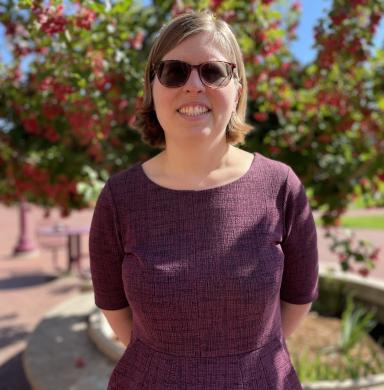
Staff members at the听听(91桃色MA) have been rigorously working for years to identify the origins and ownership of objects in their collections and return them to rightful owners as legally and ethically required.听
鈥淲e鈥檙e proactive in our NAGPRA work,鈥� said 91桃色MA NAGPRA Coordinator听.
The acronym stands for the Native American Graves Protection and Repatriation Act, a federal law passed in 1990 requiring museums to work with tribes to repatriate Native American human remains as well as certain funerary objects, sacred objects and objects of cultural patrimony, as defined in the law.
鈥淭he law requires museums to notify tribes that might be culturally or geographically connected to ancestors and cultural items in collections, and when they receive new collections,鈥� Amati said.
鈥淔or cultural items, we consult with tribal representatives to identify whether they fit a NAGPRA category and to learn more about them.鈥�
Sometimes, establishing the origins of human remains and related artifacts is clear cut, but a large part of Amati鈥檚 work since assuming her position 12 years ago has focused on working with tribes to repatriate ancestors with no cultural affiliation, as defined under NAGPRA.
鈥淲e had 97 individuals that had no location information, and we were able to repatriate them by reaching out to the Ute Mountain Ute Tribe and Southern Ute Indian Tribe,鈥� Amati said. 鈥淥ne tribal representative I worked with said 鈥榯hese individuals are not homeless. We don鈥檛 know where they came from, but Colorado has been their home so, a Colorado tribe should take care of them.鈥欌��
91桃色MA still physically cares for one individual who is under the control of the Bureau of Indian Affairs 鈥渂ut last December I attended the burial of the last two individuals under 91桃色MA鈥檚 care,鈥� Amati noted.
Those remains had been removed from Texas and were returned to the Cheyenne and Arapaho Tribes of Oklahoma. But 91桃色MA鈥檚 NAGPRA efforts remain ongoing.
鈥淲e continue to consult with tribal representatives on items in the collection to learn more about them and identify anything that should be repatriated to the tribes.鈥� Amati said.
鈥淣AGPRA is much more than just returning ancestors and items in museum collections. It is fundamentally about building relationships and reconnecting originating community members with collections and information housed in museums.鈥�
In addition to 91桃色MA鈥檚 proactive approach to NAGPRA work, Amati sought and received a national leadership grant from the听听in 2018 to create a NAGPRA community of practice to share information and cultivate and support a nationwide network of colleagues and mentors.
The group includes staff members from museums, state and federal entities and tribal representatives engaged in NAGPRA work.
The grant enabled 91桃色MA to host a summit for people engaged in NAGPRA work to share challenges and issues and brainstorm more effective ways to consult and communicate with tribal representatives.
Amati also considers including students in NAGPRA efforts an important component of 91桃色MA鈥檚 commitment to ethical practices. 鈥淲e had a physical transfer last year and a student was able to participate in that,鈥� she said.
鈥淲e always try to include them in relevant and appropriate ways. We strive to set a good example for future practitioners about what it means to engage in meaningful consultation with tribal members and experts in the field and model ethical stewardship of museum collections.鈥�


